
Pyla-Vigla 2025 – A Story Unfolding at Denver Public Library: Virginia Village Branch Library – Denver, CO
It is important to remember that archaeology isn’t something that happens once and is done. Excavations happen season by season, and the processing and analysis of the data they uncover often happens year round and extends long after a project is “complete”.
Fortunately, we have the chance to follow one of those projects and see get a greater glimpse of archaeology as a process. You may recognize this topic from last year’s lecture series. Dr Olson is returning to us after another season of excavation. It is a privilege to have connections with projects which we follow along with. Join us for the first time or come to learn more about the updates from the most recent excavations.
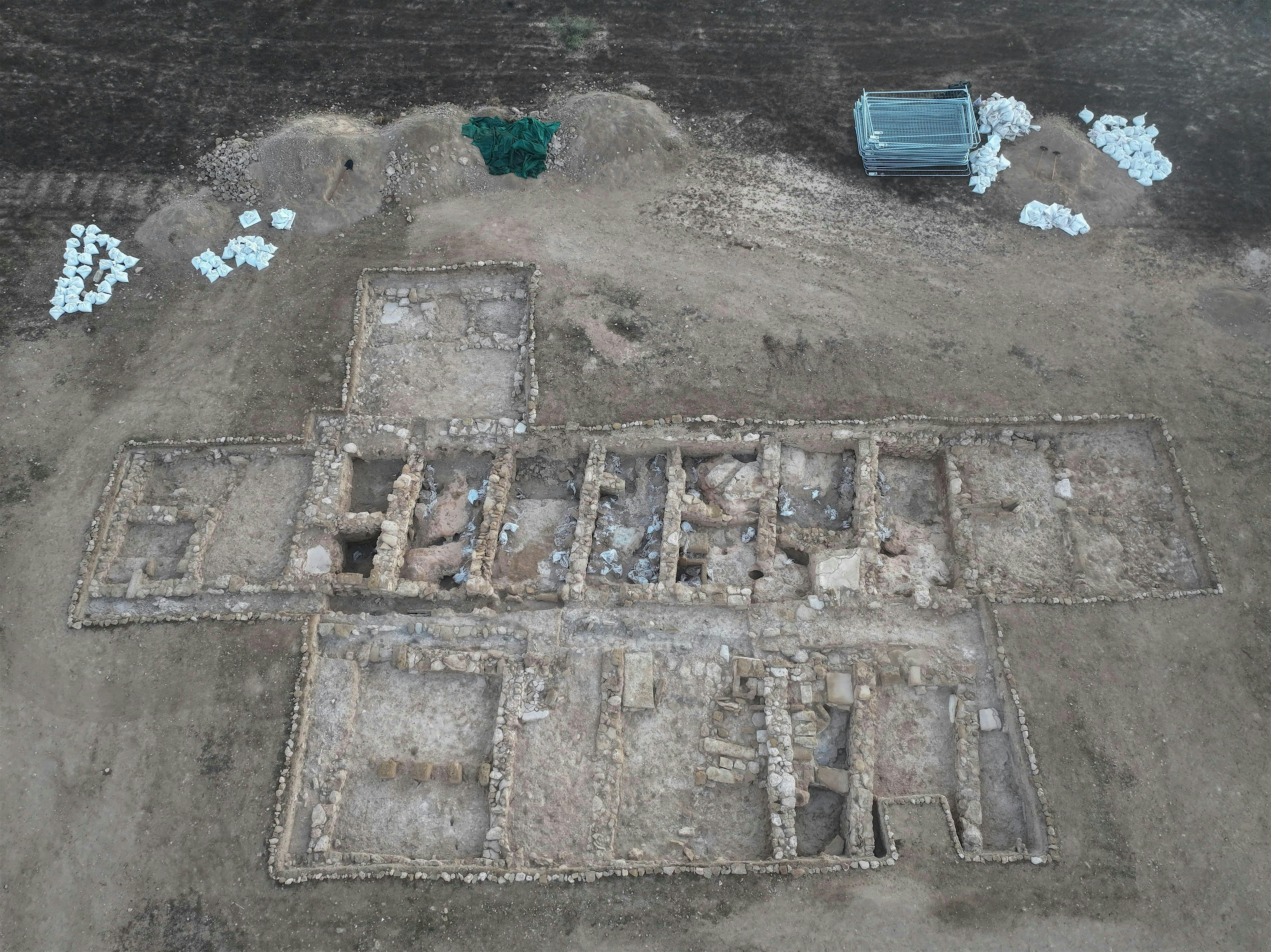
For the last two decades, the Pyla-Koutsopetria Archaeological Project has explored the coastal region of Pyla village. Located 10 km east of Larnaka and immediately below the Late Bronze Age site atop the Kokkinokremos coastal ridge, Koutsopetria featured a now-infilled embayment which likely served as a harbor in antiquity. The location of the site near an ancient harbor and astride the major road running between the ancient cities of Kition and Salamis likely led to the fortification of the prominent coastal height of Vigla in the early Hellenistic period. The fortification efforts of Vigla and its subsequent use took place in theearly Hellenistic and experienced a short primary occupation, likely beginning after Alexander the Great’s death and ending by 294 BC. The tight chronology of the site, along with the large number of weapons (e.g. arrowheads, spear points, daggers, sling bullets) and evidence of weapons manufacturing found to date, suggest that this site may be directly related to the conflicts among the diadochi for control of Cyprus after Alexander’s death.This talk will interweave the story of the Pyla-Koutsopetria Archaeological Project with our understanding of the history and significance of Vigla.
This event is not sponsored by Denver Public Library. For more information, please contact aiadenversociety@gmail.com

Brandon R. Olson is Assistant Professor of History at Metropolitan State University of Denver and Co-Director of the Pyla-Koutsopetria Archaeological Project. He has worked extensively in Cyprus, Turkey, Israel, Greece, and England. His research interests include fluctuations in settlement and land use as a result of changing hegemonic powers initiated by Greek expansion in the Eastern Mediterranean. In adopting a landscape approach to excavation and survey, Brandon seeks to harness the analytical qualities of the archaeological process in order to identify, characterize, interpret, and disseminate both diachronic and episodic changes in human settlement during the Hellenistic and early Roman periods.

Tickets-RSVP Link
